2026-10-26 · Pete Hendricks
How to Size a Dumpster for a St. Paul Kitchen Remodel
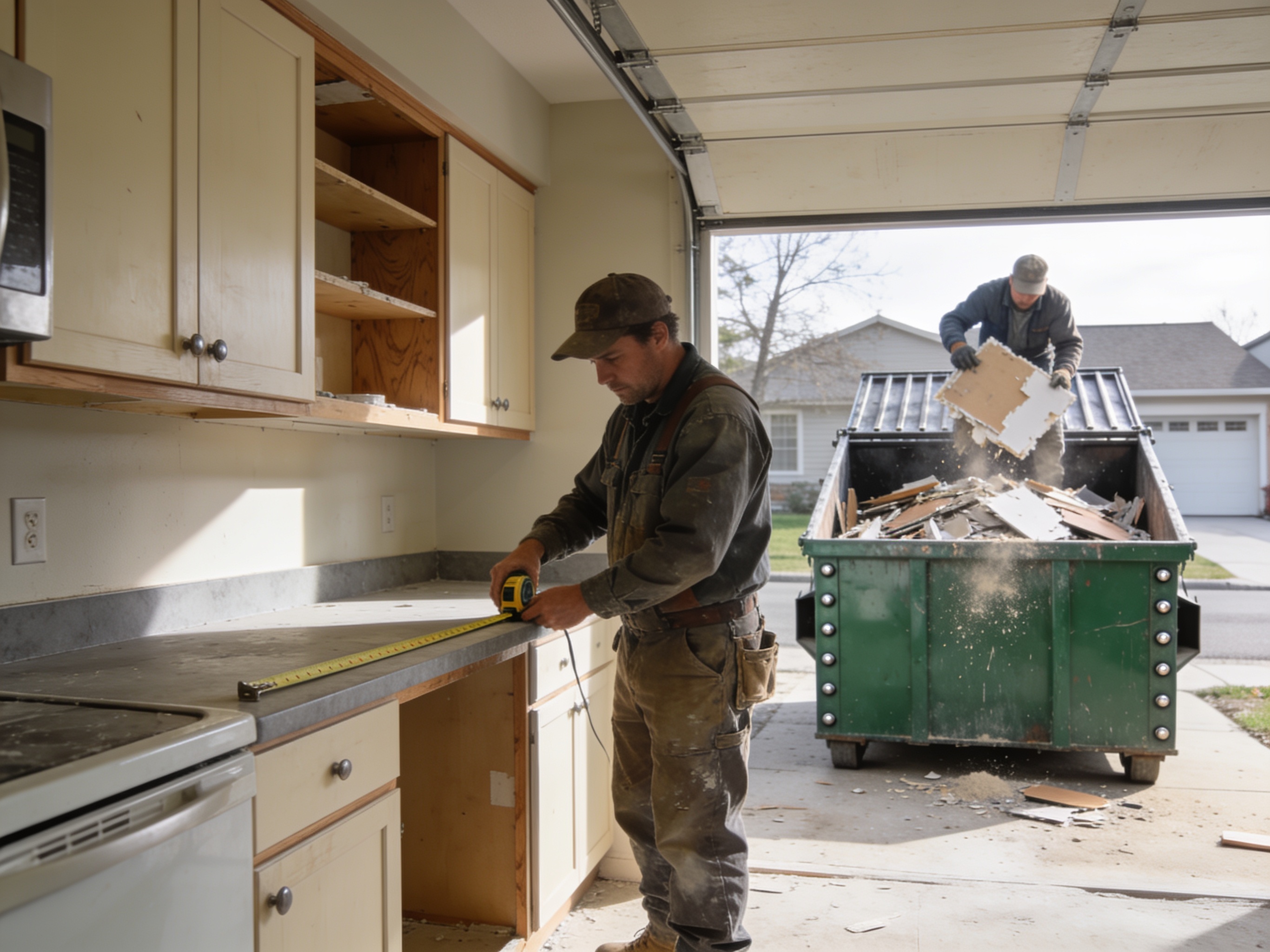
For most St. Paul kitchen remodels, a 15-yard dumpster provides the right capacity when homeowners remove cabinets, countertops, flooring, and appliances from homes built before 1950.
Assessing Kitchen Remodel Debris Volume
St. Paul homes in neighborhoods such as Summit Hill and Highland Park often feature plaster walls, hardwood floors, and built-in cabinetry that generate more bulk than newer construction. A standard 10-by-12-foot kitchen produces roughly 8 to 12 cubic yards of mixed debris once cabinets, old tile, and underlayment are pulled. Adding a full appliance set and drywall repairs pushes totals toward 15 yards. Measure the square footage first, then add 20 percent for unexpected plaster or insulation removal common in Ramsey County properties. Walk the site with a tape measure and note any load-bearing walls that may require extra disposal. This step prevents mid-project overflows that force extra hauls from the 138 5th St E yard.
Choosing the Right Dumpster Size
Dumpster sizes run in 10-, 15-, and 20-yard increments for residential work. A 10-yard unit suits small galley kitchens under 80 square feet. The 15-yard size covers the average St. Paul remodel that includes new plumbing and electrical updates. Larger 20-yard containers work when the project spans into dining areas or requires structural changes. Weight limits matter because concrete or tile floors add pounds quickly; most haulers cap loads at 2 to 3 tons. Overloading triggers extra fees, so separate heavy materials into separate piles before loading. Check the weight of each layer as the container fills to stay under limits without guessing.
Local Factors Affecting Size Selection
Narrow driveways and mature trees in areas like Macalester-Groveland limit where a larger container can sit. Snow accumulation from November through March reduces usable driveway space and may require a smaller footprint or street placement. Older lots often slope toward alleys, so crews must level the container to avoid tipping during loading. Soil conditions in the Mississippi river flats can soften after spring thaw, making placement on grass risky without plywood. These realities push many St. Paul projects toward the 15-yard size that fits standard driveways yet holds the extra volume older homes create.
Placement and Permit Rules in St. Paul
Street placement requires a permit from the city when the container sits in the public right-of-way. Homeowners in Como Park and Payne-Phalen frequently need this option because driveways cannot accommodate even a 10-yard unit. Review the When St. Paul Homeowners Need a Street Permit for Dumpster Placement guide before ordering. Keep the container at least 5 feet from fire hydrants and 10 feet from intersections. Schedule delivery after confirming the permit number to avoid daily fines. Winter months add the need for reflective markers so snowplows can see the unit at night.
Scheduling Pickup Around St. Paul Weather
Order the container for the day demolition starts and request pickup within 7 to 10 days to match typical remodel timelines. Winter calls for extra lead time because snow removal can delay access to the 138 5th St E yard. Summer projects move faster but compete with peak demand, so book two weeks ahead. If the load reaches capacity early, request a swap rather than overfilling. The Residential Dumpster Rental page lists current availability windows that align with these seasonal patterns. Track daily fill levels and call before the container is full to keep the project on schedule without extra trips.